

Participatory approaches increase student engagement, confidence and learning (Simovska, 2012). To include participatory approaches, Ch
eryl had her senior health students teaching health classes to the junior years. Peer-to-peer teaching is considered beneficial as it creates an enjoyable and creative environment (Lang, Craig & Casey, 2017). Another strategy used by Cheryl was the fashion parade. Students were involved in ongoing meetings where they discussed ideas that they could present at a parent forum. The end result was a student led fashion parade to exhibit information about drugs to educate parents. This relied heavily on student agency and leadership as students were in power and engaged (DET, 2018).
The Shape Upproject shows another participatory approach where students were involved in identifying issues of health and wellbeing at school (Simovska, 2012). This project focussed on meaningful participation and students were excited and confident in their roles (Simovska, 2012). Ongoing challenges of incorporating participatory approaches include lack of teacher involvement and difficulty linking activities with curriculum (Simovska, 2012).

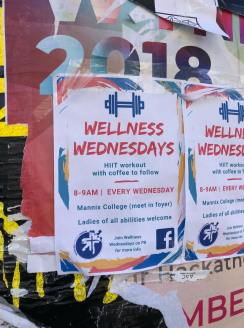
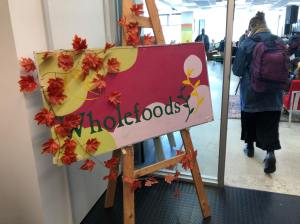
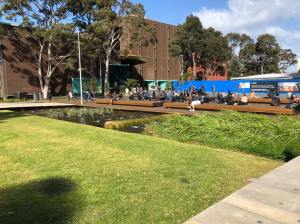
Students exploring various definitions of health and wellbeing andexamining youth perspectives on health and wellbeing are two key knowledge points for VCE (VCAA, 2018), put into practice below. This task involves students taking photos of objects/environments that they interpret as relating to health. Students will use these visual representations to create a presentation for the class that details what dimension of health the image relates to and they will pick one image that represents health in the school that can be improved; eg. lack of green space or shade. The class will decide on the most necessary improvement needed and approach the principal to lobby for this change. This encourages a participatory approach and aligns with the IVAC model as students demonstrate action competence and make real changes; which increases optimism, feelings of empowerment and enthusiasm (Kersten, et al. 2015). This activity will develop the key knowledge and key skills required for VCE (VCAA, 2018).
Hart’s ladder of participation is beneficial for developing participatory lesson plans (Funk, et al. 2012). The activity depicted above, begins quite low on the ladder, however it begins to move up the ladder to ‘Adult initiated, shared decisions with young people’, as students become involved, make decisions as well as plan and implement their idea. An implication for teachers is the variance in student’s levels on the ladder (Funk, et al. 2012). Students will fall above and below the rung depending on circumstances; therefore, it is vital to observe those who are struggling and provide assistance (Funk, et al. 2012).
References
[DET] Department of Education and Training. (2018). Dimension: Empowering Students and Building School Pride. Victoria State Government. Retrieved from: https://www.education.vic.gov.au/school/teachers/management/improvement/Pages/dimension3empowering.aspx
Funk, A., Van Borek, N., Taylor, D., Grewal, P., Tzemis, D. & Buxton, J. A. (2012). Climbing the ‘Ladder of Participation’: Engaging Experiential Youth in a Participatory Research Project. Canadian Journal of Public Health. 103(4). 288-292. Retrieved from: http://go.galegroup.com.ezproxy.lib.monash.edu.au/ps/i.do?ty=as&v=2.1&u=monah&it=DIourl&s=RELEVANCE&p=AONE&qt=TI%7E%22Climbing+the+Ladder+of%22%E%7ESP%7E288%7E%7EIU%7E4%7E%7ESN%7E00084263%7E%7EVO%7E103&lm=DA%7E120120000&sw=w
Kersten, W. C., Crul, M. R. M., Geelen, D. V., Meijer, S. A. & Franken, V. (2015). Engaging Beneficiaries of Sustainable Renovation- Exploration of Design-Led Participatory Approaches. Journal of Cleaner Production. 106(1). 690-699. doi.org/10.1016/j.jclepro.2014.07.060
Lang, C., Craig, A. & Casey, G. (2017). A Pedagogy for Outreach Activities in ICT: Promoting Peer to Peer Learning, Creativity and Experimentation. British Journal of Educational Technology. 48(6). 1491-1501. doi:10.1111/bjet.12501
Simovska. V. 2012. Case Study of a Participatory Health-Promotion Intervention in School. Democracy & Education, 20(1).1-10. Retrieved from: https://moodle.vle.monash.edu/pluginfile.php/7400156/mod_resource/content/1/ase_study_of_a_participatory.pdf
[VCAA] Victorian Curriculum and Assessment Authority. (2018). Health and Human Development.Victorian Curriculum and Assessment Authority. Retrieved from: https://www.vcaa.vic.edu.au/Pages/vce/studies/healthnhuman/healthumindex.aspx
 Health Education in the Secondary Years